Writing
-

Why Did We Forget Isaac Newton Was an Alchemist?
The father of modern physics wrote about a million words on alchemy. Why we forgot, and what inner alchemy says about experience science still can’t measure.
-

The Perfect Murder: Editing Your Screenplay
Your script consultant says cut 25 pages. Screenwriter Jeanne V. Bowerman shares eleven ways to edit a screenplay with a serial killer's efficiency, and leave no fingerprints.
-
Reader Comments: Honest, Open and Immediate
Blogger Kelly DeBie on anonymous blog comments, Facebook debates, and why the instant, honest feedback of online publishing keeps her writing.
-

Success Is a Process
Why finishing a book can feel scarier than starting one, and how shy writers can turn the last page into a first step toward readers, with advice from Jody Aberdeen and Rob Hines.
-

Everyone Runs on Faith, Even Scientists
Ancient people weren't less intelligent, just less informed. On volcanoes, the problem of induction, and why faith in science resembles medieval faith.
-
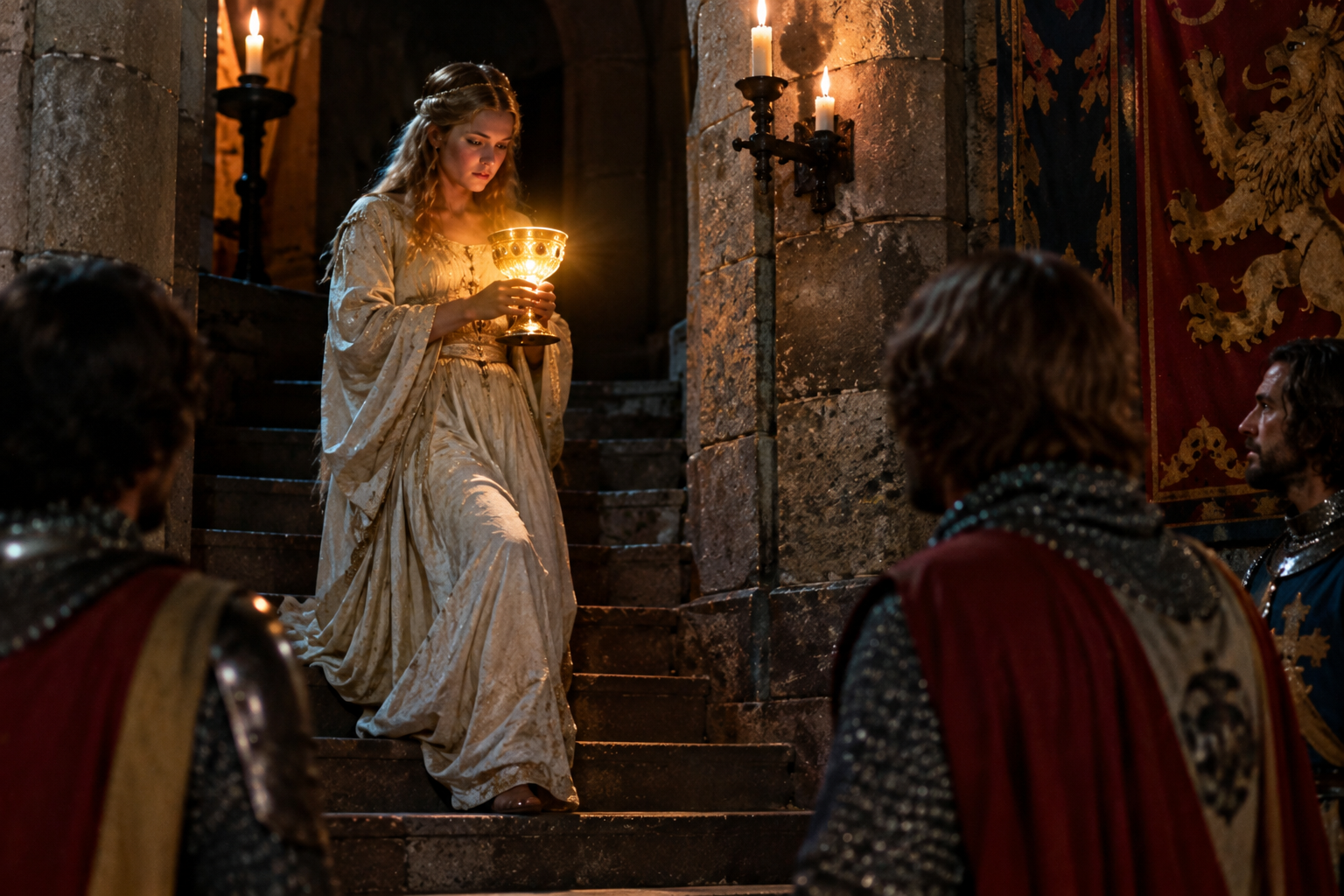
What Was the Holy Grail Before It Was Holy?
The first Grail story never calls it holy or even clearly a cup. How a golden serving dish became the cup of Christ—and what that teaches writers about myth.
-
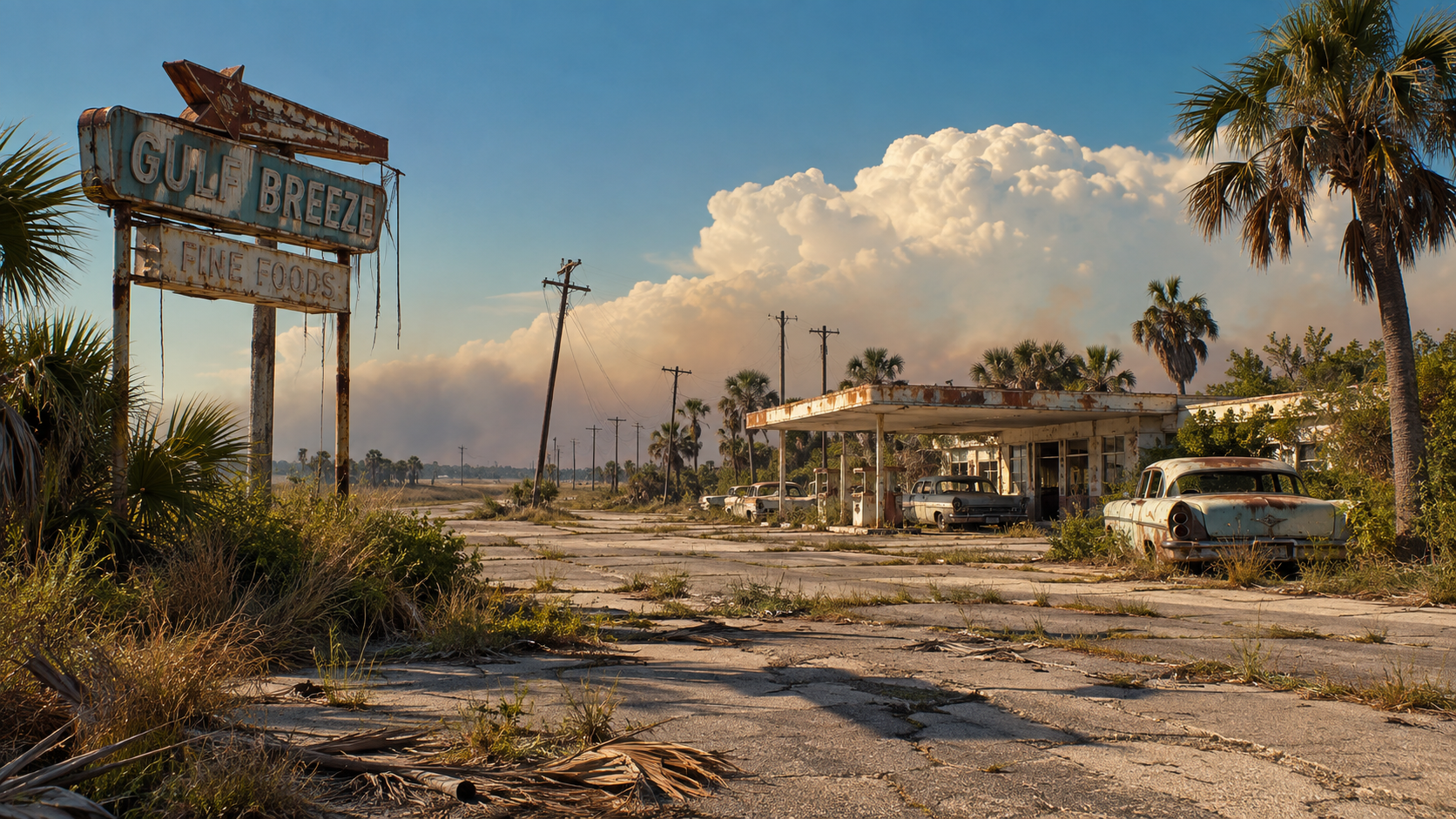
Post Apocalyptic or Post-Apocalyptic or Postapocalyptic?
A tongue-in-cheek case for dropping the hyphen from "post-apocalyptic"—and why search engines and plain laziness might matter more than the rulebook.
-
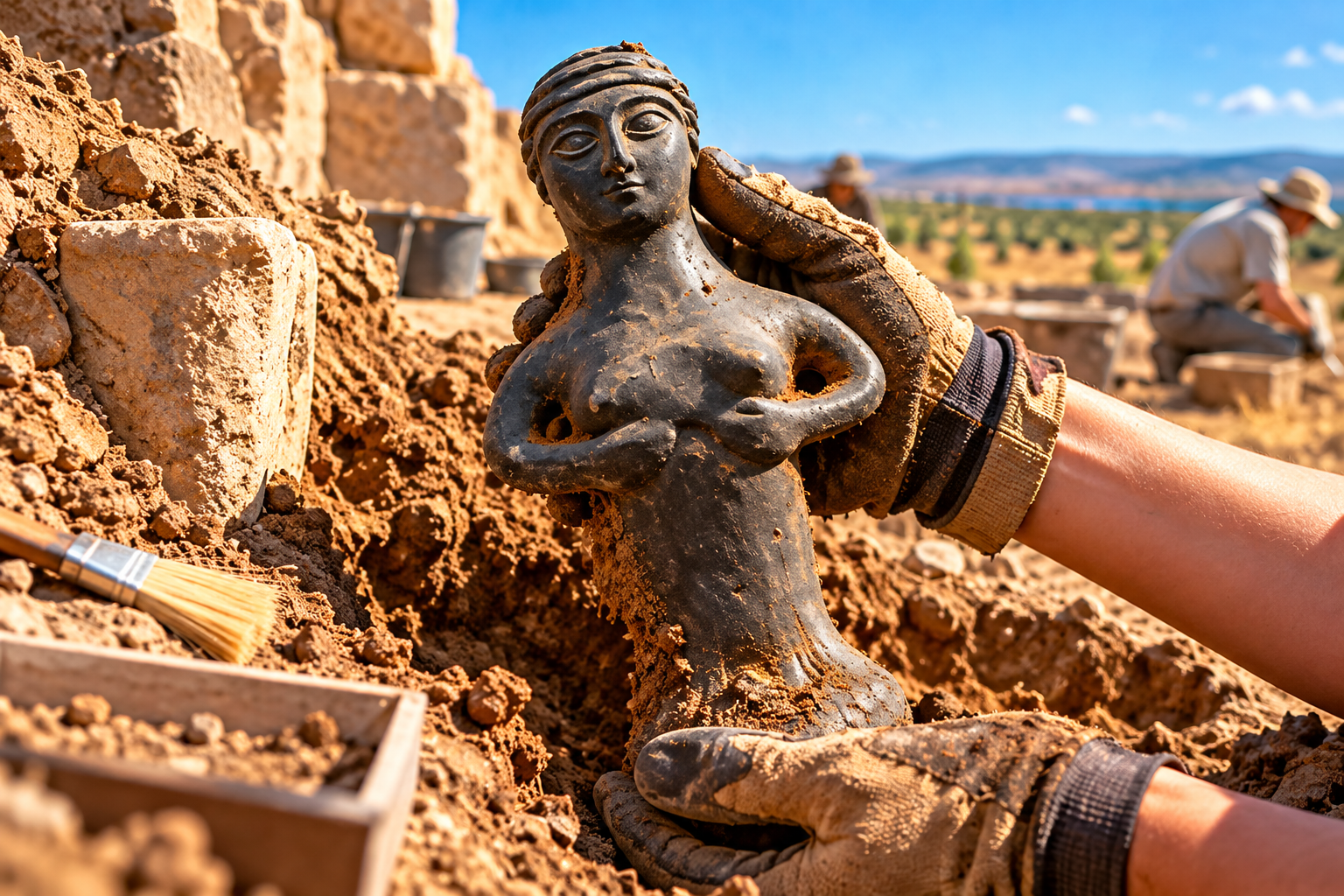
What the Knights Templar Found
A documentary said the Knights Templar dug up brotherhood beneath the Temple Mount. I think they found Asherah, the Canaanite Queen of Heaven.
-
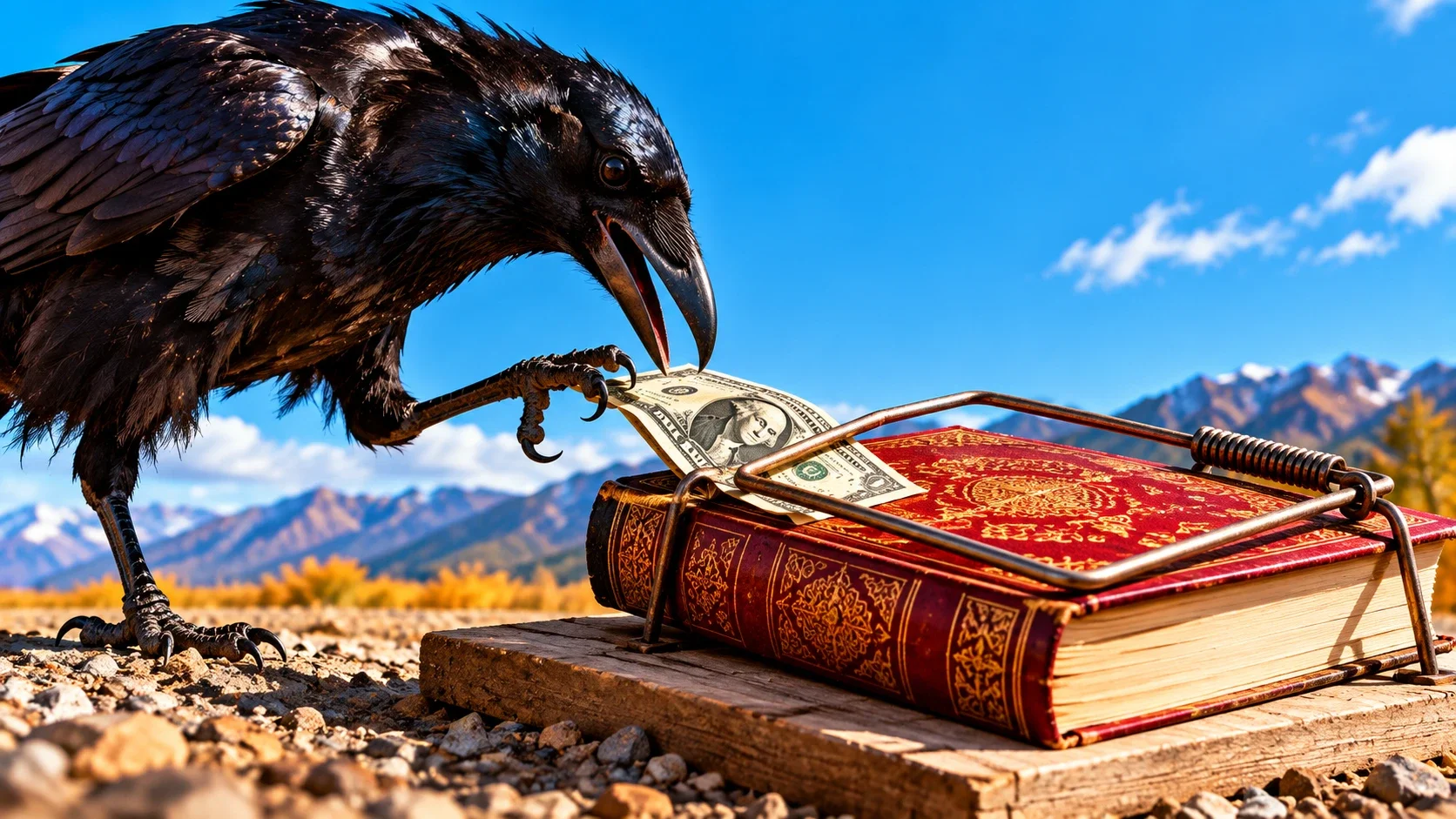
For the Love of Money and/or Self-Publication
From cash-paid pizza murals to Amazon candles, an indie author weighs what self-publishing earns per hour against what books keep.
-
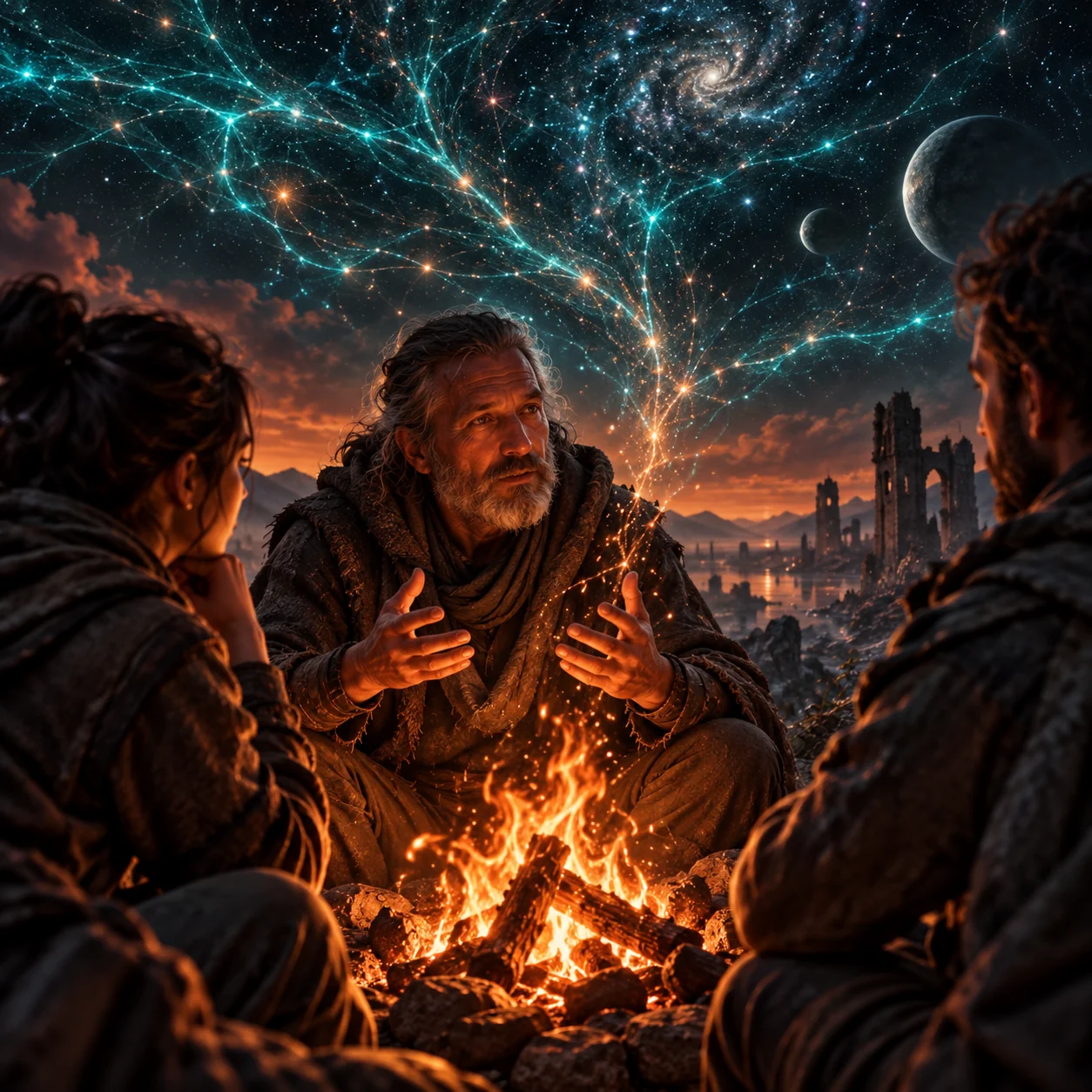
The Ontology of Ether
Cosmology, consciousness, and unseen forces in The Bright Dark, with a creation story from the world after the apocalypse.
-
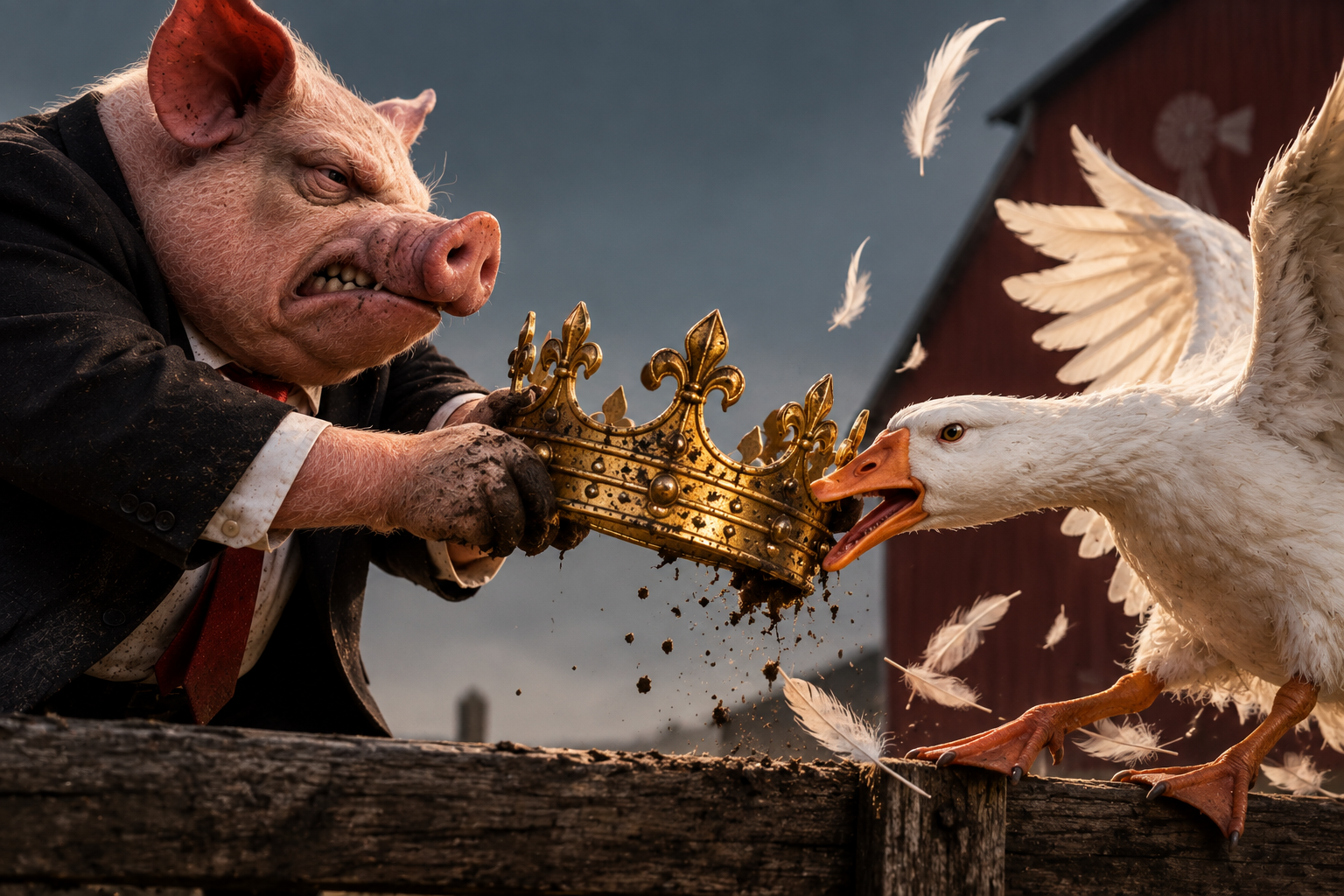
The Authority of Authors
Author and authority share a Latin root: someone who causes something to exist. A look at who controls the narrative and the power writers wield on the page.
-

The Magician: The Archetype of Transformation
From Merlin's hidden knowledge to Frankenstein's overreach to Ren's inner alchemy: the archetype of transformation, and why good and evil were never the point.
-
Confirmed Independent Publisher
A librarian-turned-writer looks back at a bookmobile patron, a fake reptilian finance book, and five years of false starts before going independent.
-

The Everyman: The Anchor of the Story
From Pearson's "Realist" to medieval morality plays to Samwise Gamgee: the archetype of continuity, and why writers keep mistaking ordinary for unimportant.
-
Wasteland
Merriam-Webster says a wasteland is barren and spiritually arid. So why does the word feel so good to write? A dig through etymology, Chernobyl, and 1838 law.
-

I Wrote This Post in Virtual Reality
A sci-fi author tries to write inside a Meta Quest 3, fails through every "obvious" input method, and ends up with a grudging respect for the tech.
-
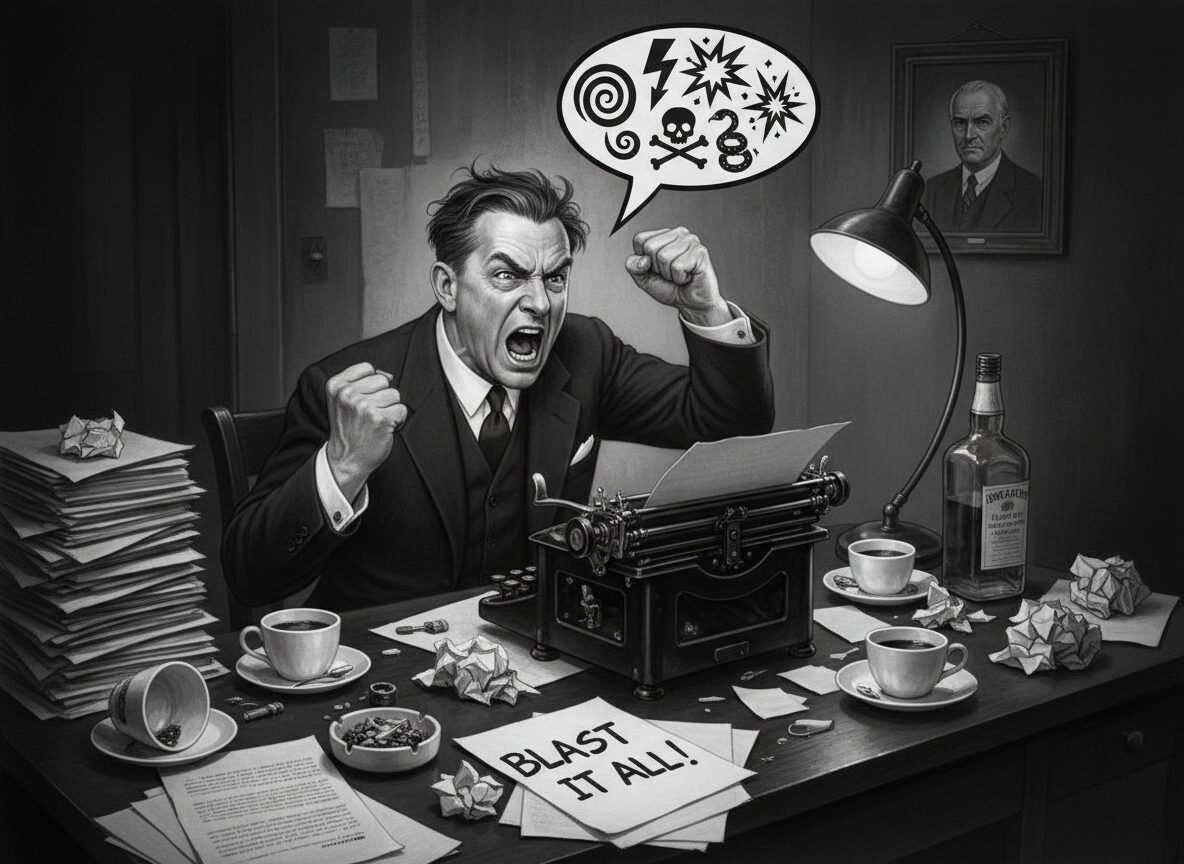
The Nine Parts of Speech and the F Word
A shamelessly profane grammar lesson proving that one very specific word can stand in for all nine parts of speech.