Writing
-
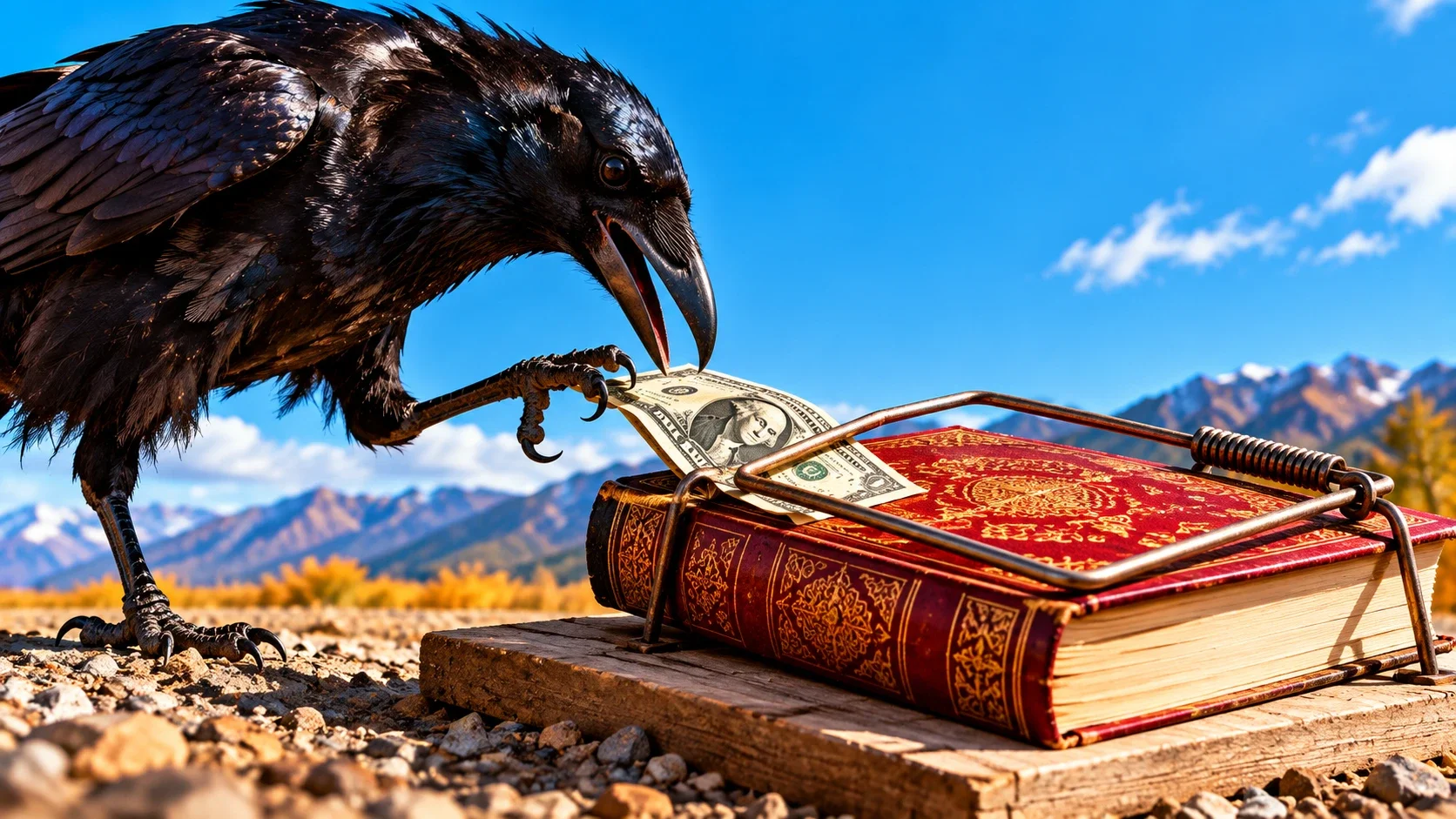
For the Love of Money and/or Self-Publication
From cash-paid pizza murals to Amazon candles, an indie author weighs what self-publishing earns per hour against what books keep: the fragments of a life, left for the people who come after.
-

The Ontology of Ether
Cosmology, consciousness, and unseen forces in The Bright Dark, with a creation story from the world after the apocalypse.
-
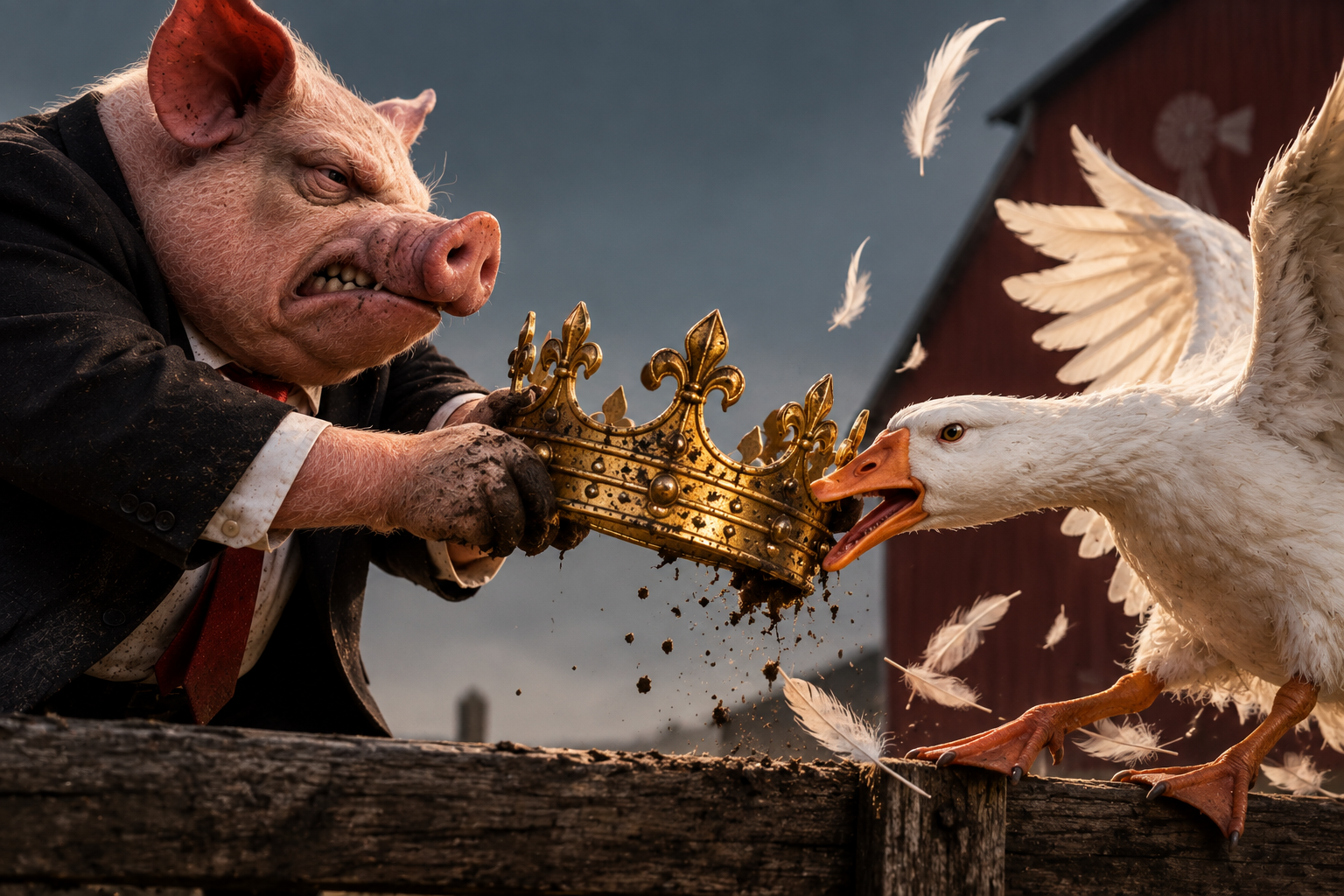
The Authority of Authors
Author and authority share a Latin root: someone who causes something to exist. A look at where that word comes from, who really controls the narrative, and how writers can question the power dynamics they put on the page.
-

The Magician: The Archetype of Transformation
From Merlin's hidden knowledge to Victor Frankenstein's fatal overreach to Ren's inner alchemy in The Bright Dark, a look at the archetype of transformation, and why good and evil were never the point.
-
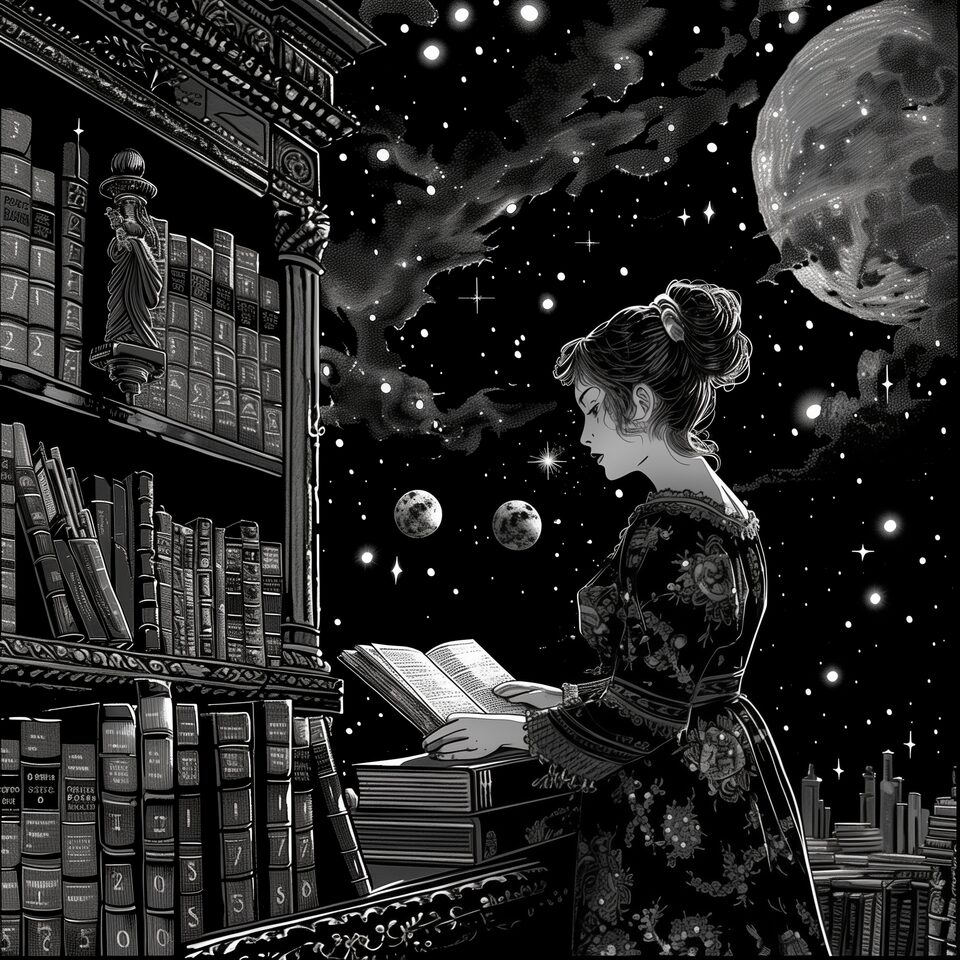
Confirmed Independent Publisher
A librarian-turned-writer looks back at how a bookmobile patron, a fake reptilian finance book, and five years of false starts led to becoming a confirmed independent publisher.
-

The Everyman: The Anchor of the Story
From Pearson's "Realist" to medieval morality plays to Samwise Gamgee, a look at the archetype of continuity, and why writers keep mistaking ordinary for unimportant.
-
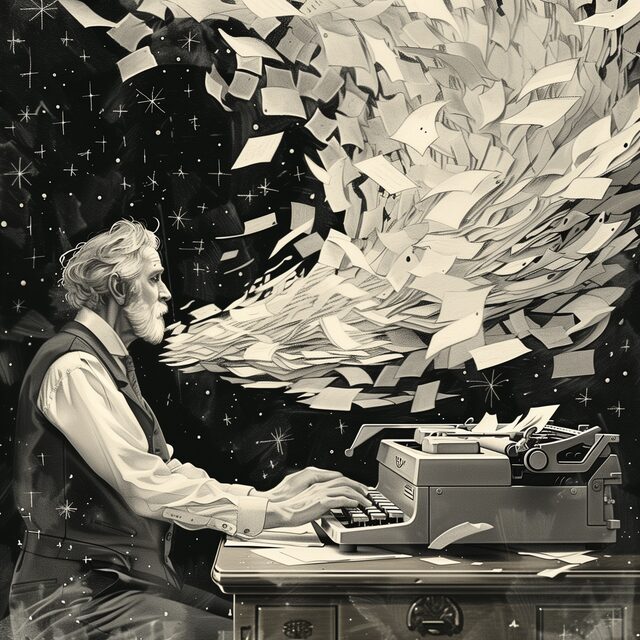
Wasteland
Merriam-Webster says a wasteland is barren, ugly, and spiritually arid. So why does the word feel so good to write? A dig through etymology, Chernobyl, and the Wasteland Rules of 1838.
-

I Wrote This Post in Virtual Reality
A sci-fi author tries to write inside a Meta Quest 3, fails through every "obvious" input method, and ends up with a grudging respect for the tech—plus a blunt take on AI, ethics, and accessibility.
-

The Nine Parts of Speech and the F Word
A shamelessly profane grammar lesson proving that one very specific word can stand in for all nine parts of speech.