Worldbuilding Posts
Building invented worlds that hold together: fantasy settings, alternate histories, parallel dimensions, and the myth, history, and rules of reality behind them, from the strata of existence in The Bright Dark to what the Knights Templar might really have found.
-
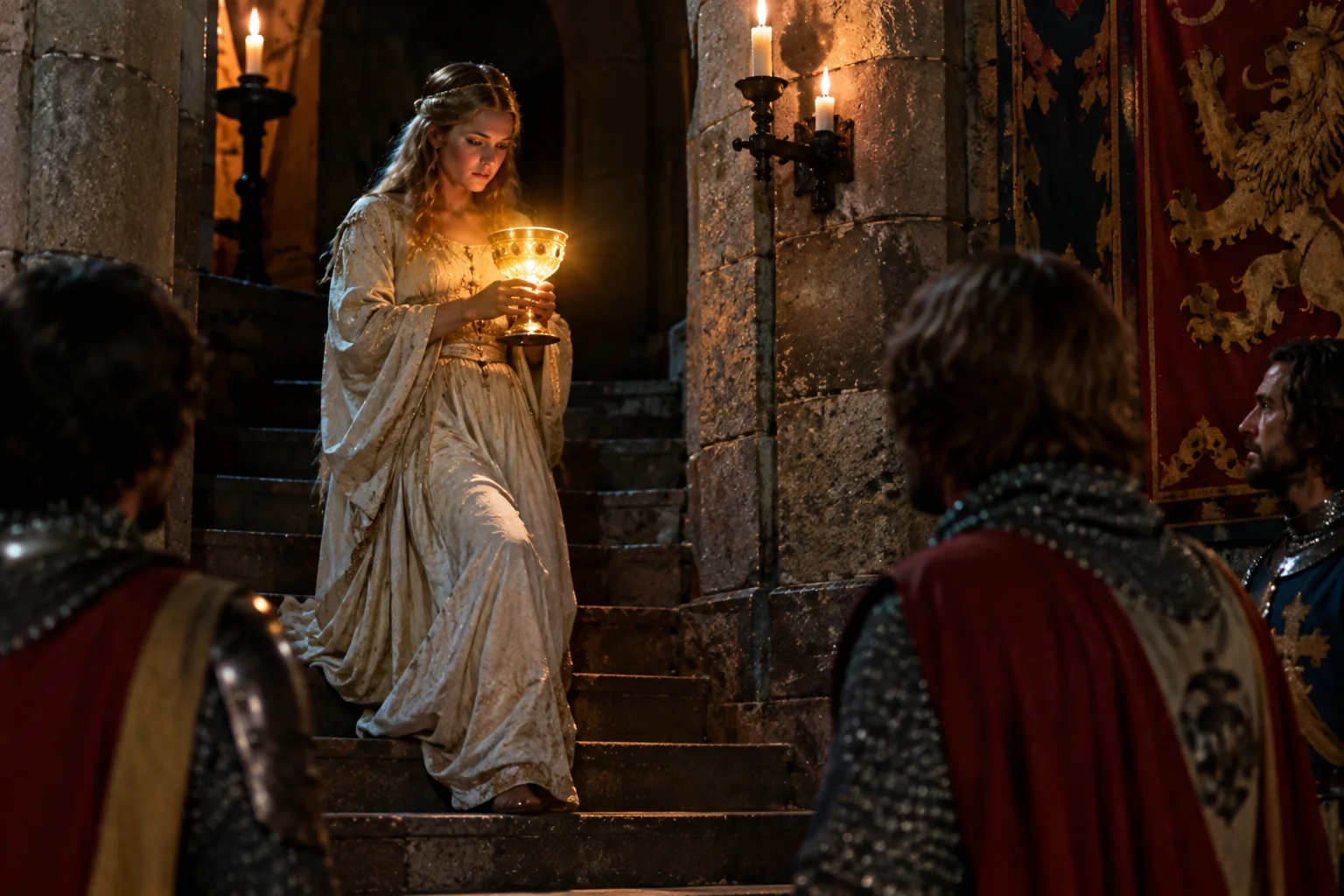
What Was the Holy Grail Before It Was Holy?
The first Grail story never calls it holy or even clearly a cup. How a golden serving dish became the cup of Christ—and what that teaches writers about myth.
-
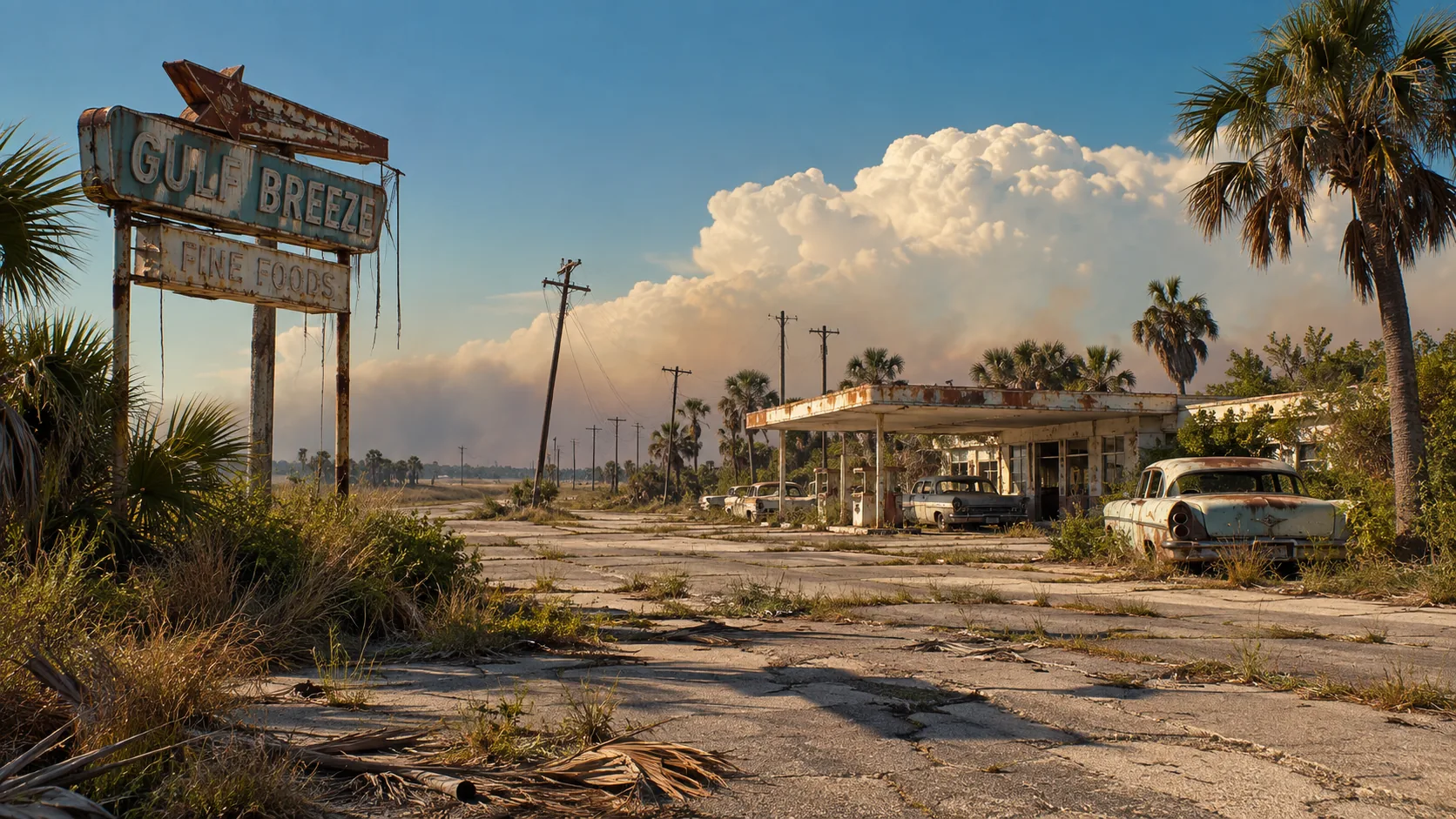
Post-Apocalyptic or Postapocalyptic?
A tongue-in-cheek case for dropping the hyphen from "post-apocalyptic"—and why search engines and plain laziness might matter more than the rulebook.
-
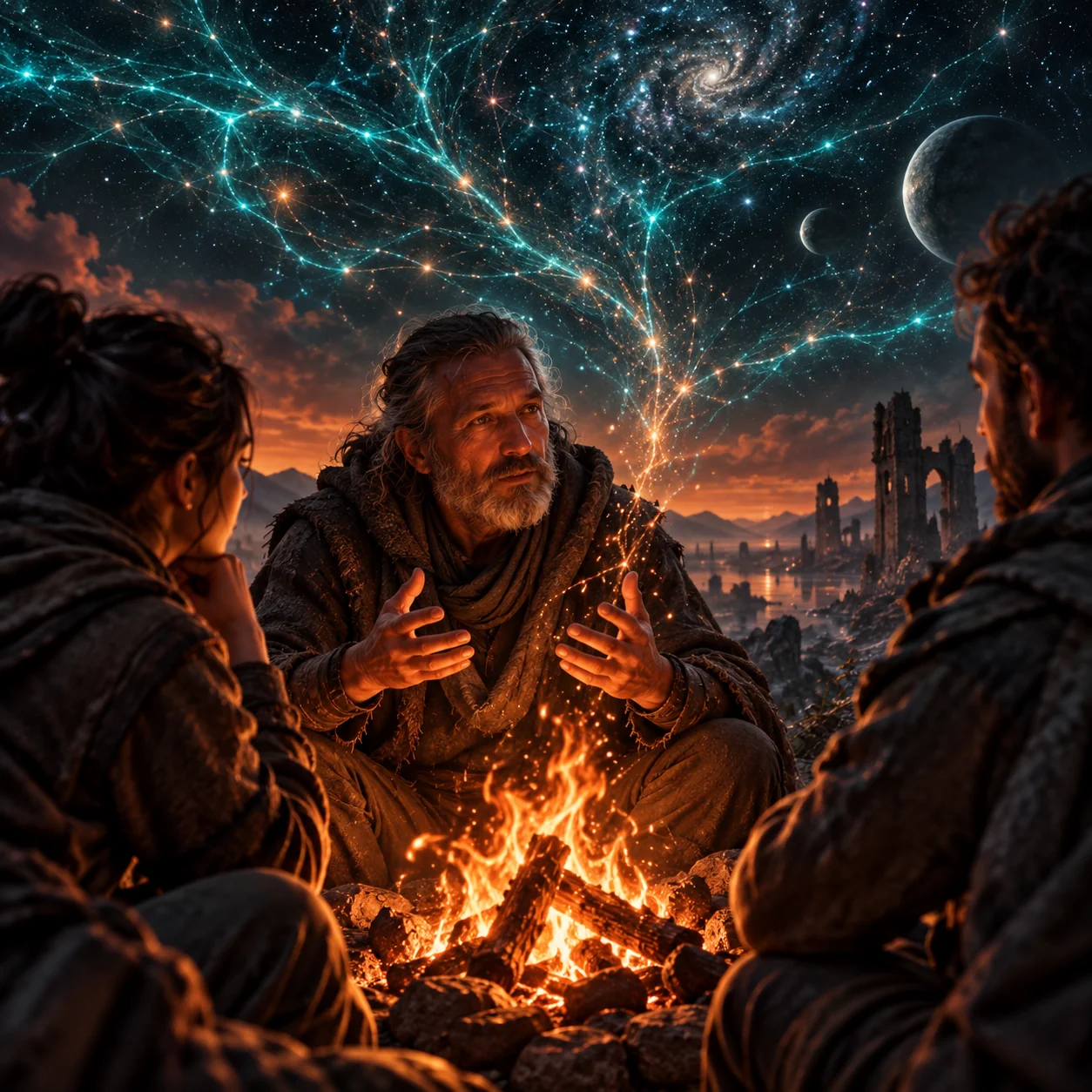
The Ontology of Ether
Cosmology, consciousness, and unseen forces in The Bright Dark, with a creation story from the world after the apocalypse.
-
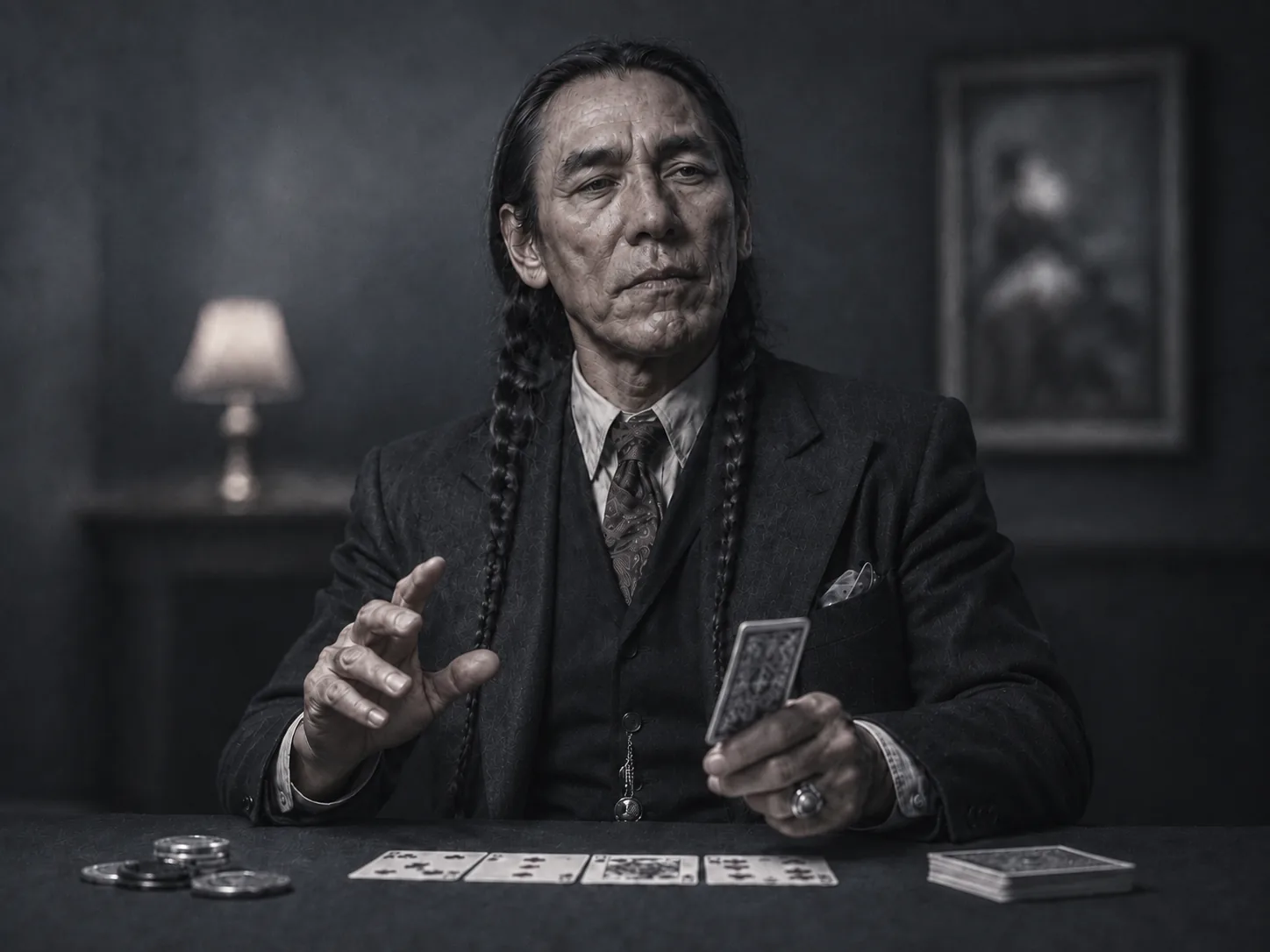
The Magician: The Archetype of Transformation
From Merlin's hidden knowledge to Frankenstein's overreach to Ren's inner alchemy: the archetype of transformation, and why good and evil were never the point.
-

The Everyman: The Anchor of the Story
From Pearson's "Realist" to medieval morality plays to Samwise Gamgee: the archetype of continuity, and why writers keep mistaking ordinary for unimportant.