Articles
Explore by topic
- Speculative Fiction Science fiction and post-apocalyptic fiction: robots, wastelands, imagined futures, and the research behind OA Allen's metaphysical science fiction novel The Bright Dark. 4 articles →
- Writing Craft Writing advice and the writing life: craft, grammar, editing, character archetypes, independent publishing, finding readers, and what it means to be the author of your own work. 26 articles →
- Hidden Histories The overlooked stories behind the ideas we take for granted. Trace the beginnings of inventions, ancient technologies, spiritual traditions, words, and ideas that continue to influence speculative fiction, from alchemy and the Holy Grail to the first robots. 7 articles →
All articles
-
Antagonists Are People Too
Ariel Ceylan shares six things to keep in mind when creating the most crucial character in your book: the antagonist, who is a real person too.
-
Break It Down to Build It Up
Molly Field on getting unstuck: write what you mean in short hits, let it flow, step away to draw something, and fall back on the five Ws.
-
Clancy Gets Away With It
Linda Yezak, a huge Tom Clancy fan, on the writing rules The Bear and the Dragon breaks (too many settings, too many names, head-hopping) and why the ride is worth it anyway.
-
I'm a Premise Writer
Rob Hines on being a Premise Writer, someone with a billion ideas and very few finished stories, and why outlining is the cure.
-
Serve the Story
Clark Brooks delivers the best writing advice he ever got, from his acting days, with the speed, wit and candor of a stand-up comic: serve the story.
-
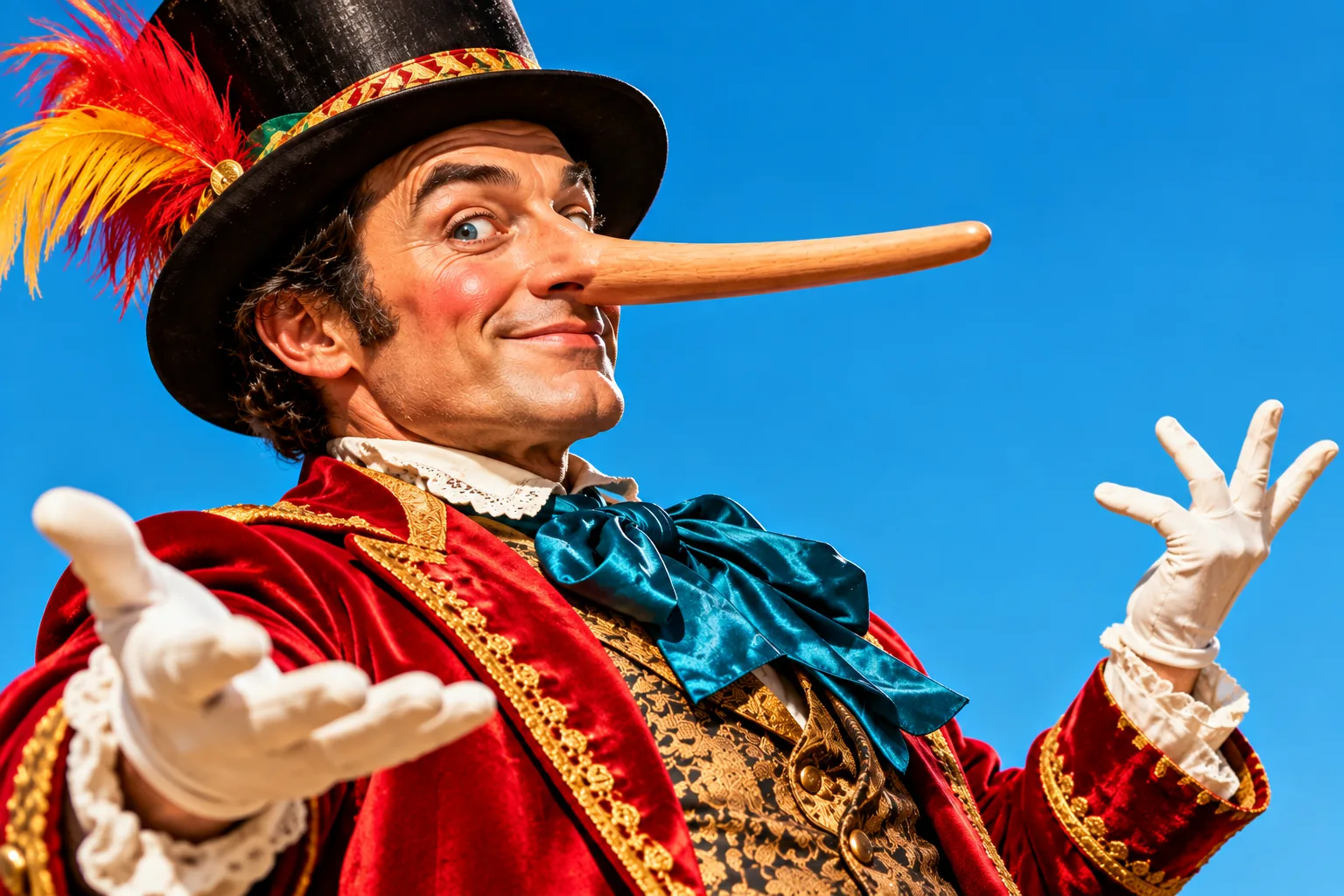
Tell Me a Big Lie: How to Write Liars and Deception in Fiction
Types of lies, why people believe them, the big lie, and eleven ways to show a character is lying—a writer's guide to deception and broken trust in fiction.
-
The Four P's of Procrastination
Cecilia Dominic on why she puts off writing: personality, time perception, process issues and perfectionism, plus the four D's she uses to fight back.
-
Tips to Name Your Characters
C. Patrick Schulze shares fifteen tips for naming the characters in your novel, from medieval surnames and Civil War cemeteries to why you should skip the alliteration.
-
Too Many Ideas
Morgan Barnhart on suffering from Too Many Ideas, and the whiteboard trick that gets every idea out of your head and into plain sight so you can pick one and write.
-
Write What You Know Is the Wrong Advice
Kendra Redman on why "write what you know" is limiting advice, and what to do instead: really live your life, add imagination, read everything, and write.
-
10 Modern Books for Fans of Isaac Asimov
Robots, impossible civilizations, troublesome ideas, and a few independent authors who deserve a place on your bookshelf.
-
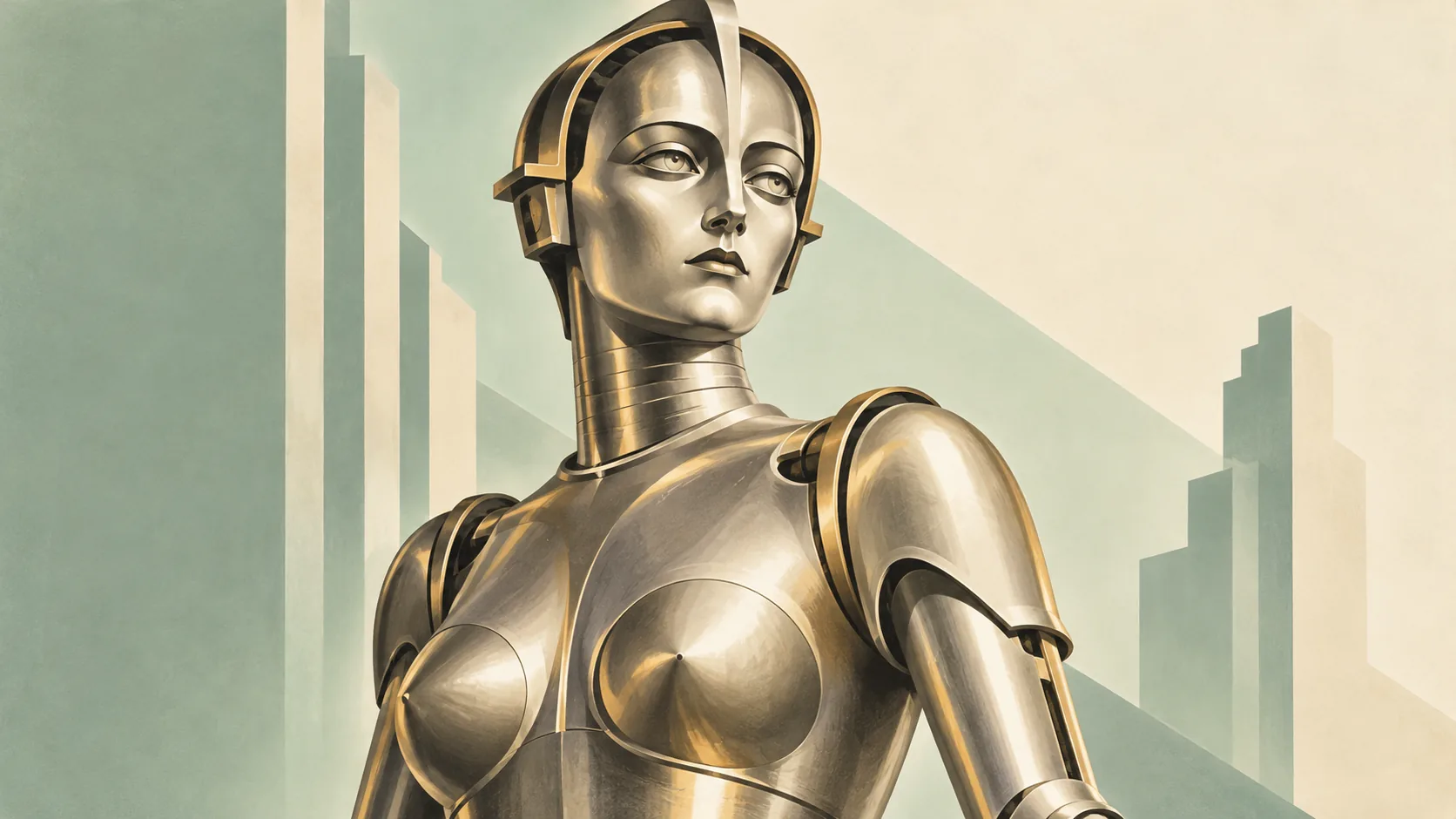
First Robots in Fiction
Was Frankenstein’s creature the first robot in science fiction? Tik-Tok, Čapek, the golem and a long line of automata say the answer is much older and messier.
-
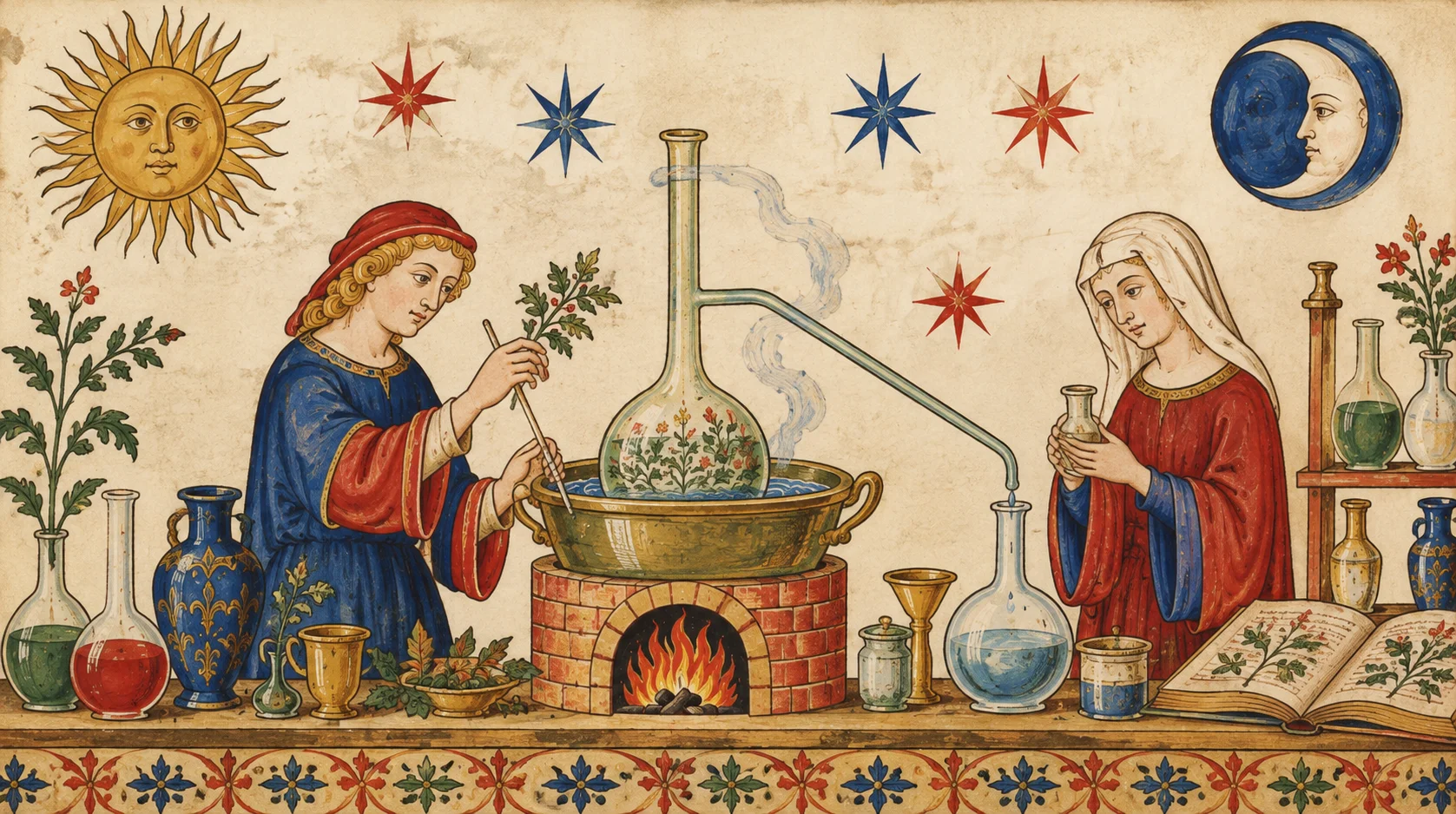
Inner Alchemy: How Seeking Immortality Gave Us the Bain-Marie
From Taoist immortals and Egyptian metallurgists to medieval laboratories and the invention of the bain-marie, alchemy has been quietly influencing the modern world for thousands of years.
-

The Ruler Archetype
From Horatio Hornblower to Captain Janeway to Red Reznikov: the archetype of leadership, and why the Ruler's power is a relationship, not a possession.
-

Why Did We Forget Isaac Newton Was an Alchemist?
The father of modern physics wrote about a million words on alchemy. Why we forgot, and what inner alchemy says about experience science still can’t measure.
-

The Perfect Murder: Editing Your Screenplay
Your script consultant says cut 25 pages. Screenwriter Jeanne V. Bowerman shares eleven ways to edit a screenplay with a serial killer's efficiency, and leave no fingerprints.
-
Reader Comments: Honest, Open and Immediate
Blogger Kelly DeBie on anonymous blog comments, Facebook debates, and why the instant, honest feedback of online publishing keeps her writing.
-

Success Is a Process
Why finishing a book can feel scarier than starting one, and how shy writers can turn the last page into a first step toward readers, with advice from Jody Aberdeen and Rob Hines.
-

Everyone Runs on Faith, Even Scientists
Ancient people weren't less intelligent, just less informed. On volcanoes, the problem of induction, and why faith in science resembles medieval faith.
-
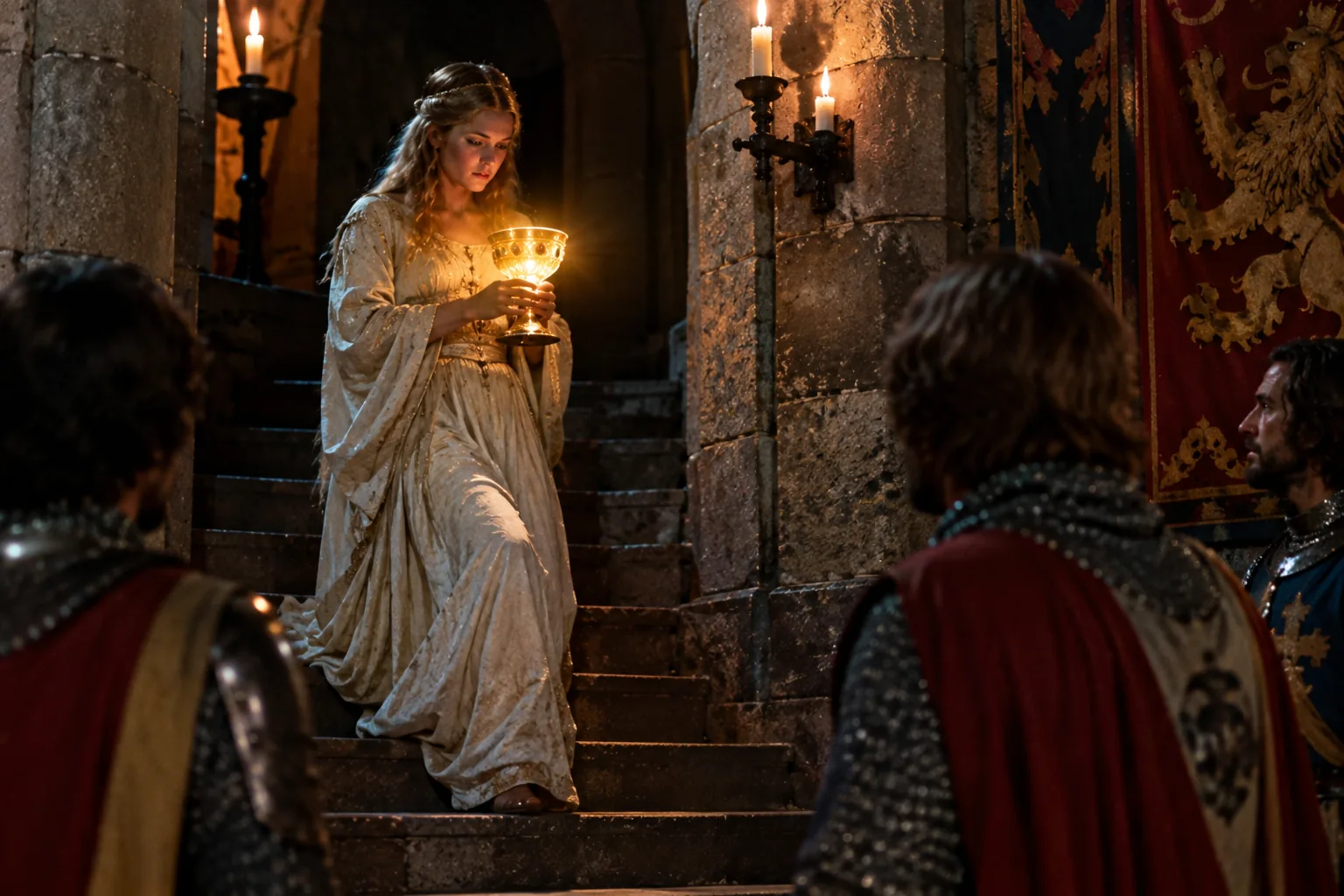
What Was the Holy Grail Before It Was Holy?
The first Grail story never calls it holy or even clearly a cup. How a golden serving dish became the cup of Christ—and what that teaches writers about myth.
-

How to Buy Artwork From Your Family or Friends Without Being a Dick
A painter's survival guide to being asked for free murals: what commissioning art actually costs in skill, time, and materials.
-

On Being Happy
A meditation on a father's turbulent past and peaceful present, painted in sailboats and calm seas, and what his happiness taught his daughter.
-

Post-Apocalyptic or Postapocalyptic?
A tongue-in-cheek case for dropping the hyphen from "post-apocalyptic"—and why search engines and plain laziness might matter more than the rulebook.
-

What the Knights Templar Found
A documentary said the Knights Templar dug up brotherhood beneath the Temple Mount. I think they found Asherah, the Canaanite Queen of Heaven.
-
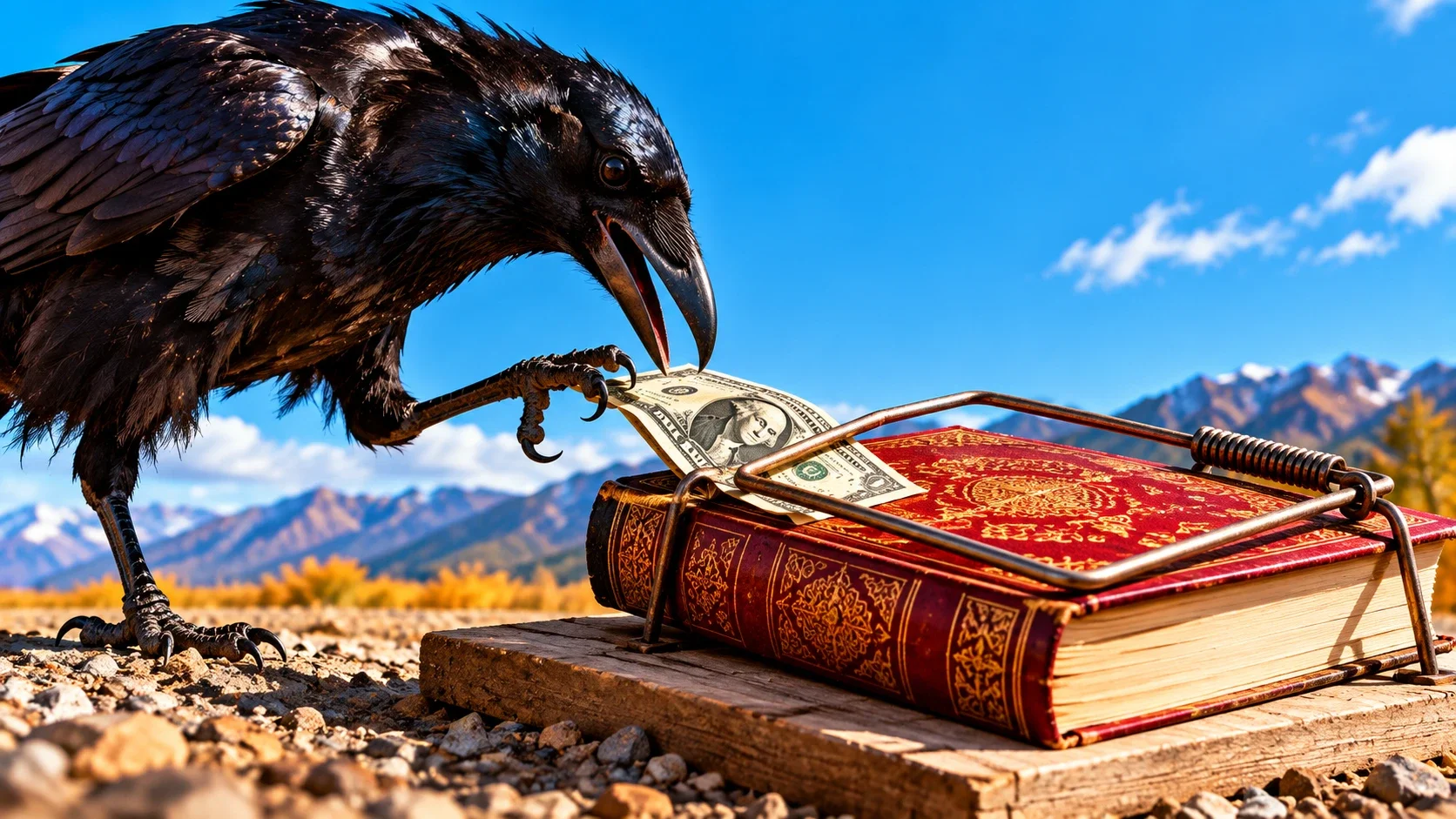
For the Love of Money and/or Self-Publication
From cash-paid pizza murals to Amazon candles, an indie author weighs what self-publishing earns per hour against what books keep.
-
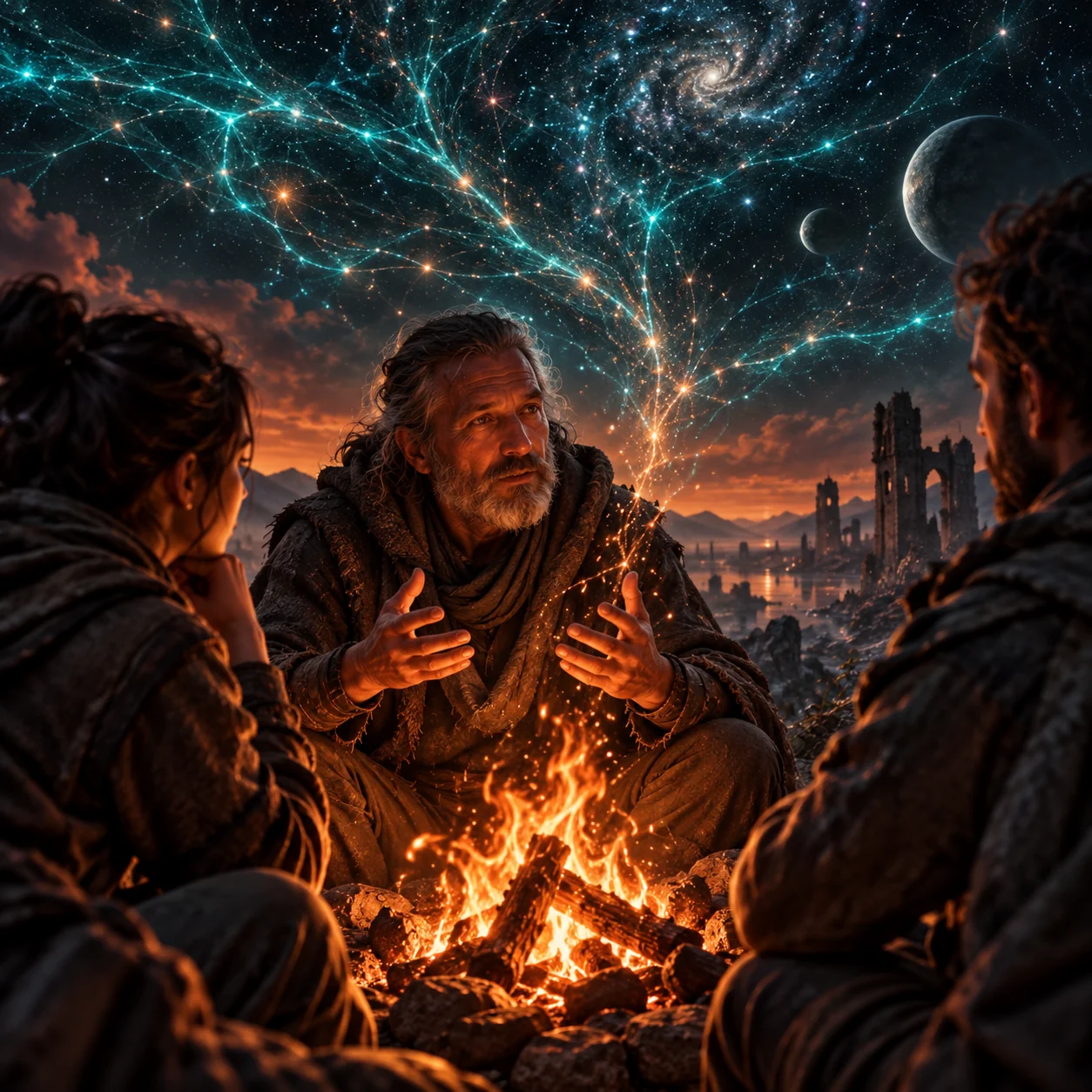
The Ontology of Ether
Cosmology, consciousness, and unseen forces in The Bright Dark, with a creation story from the world after the apocalypse.
-
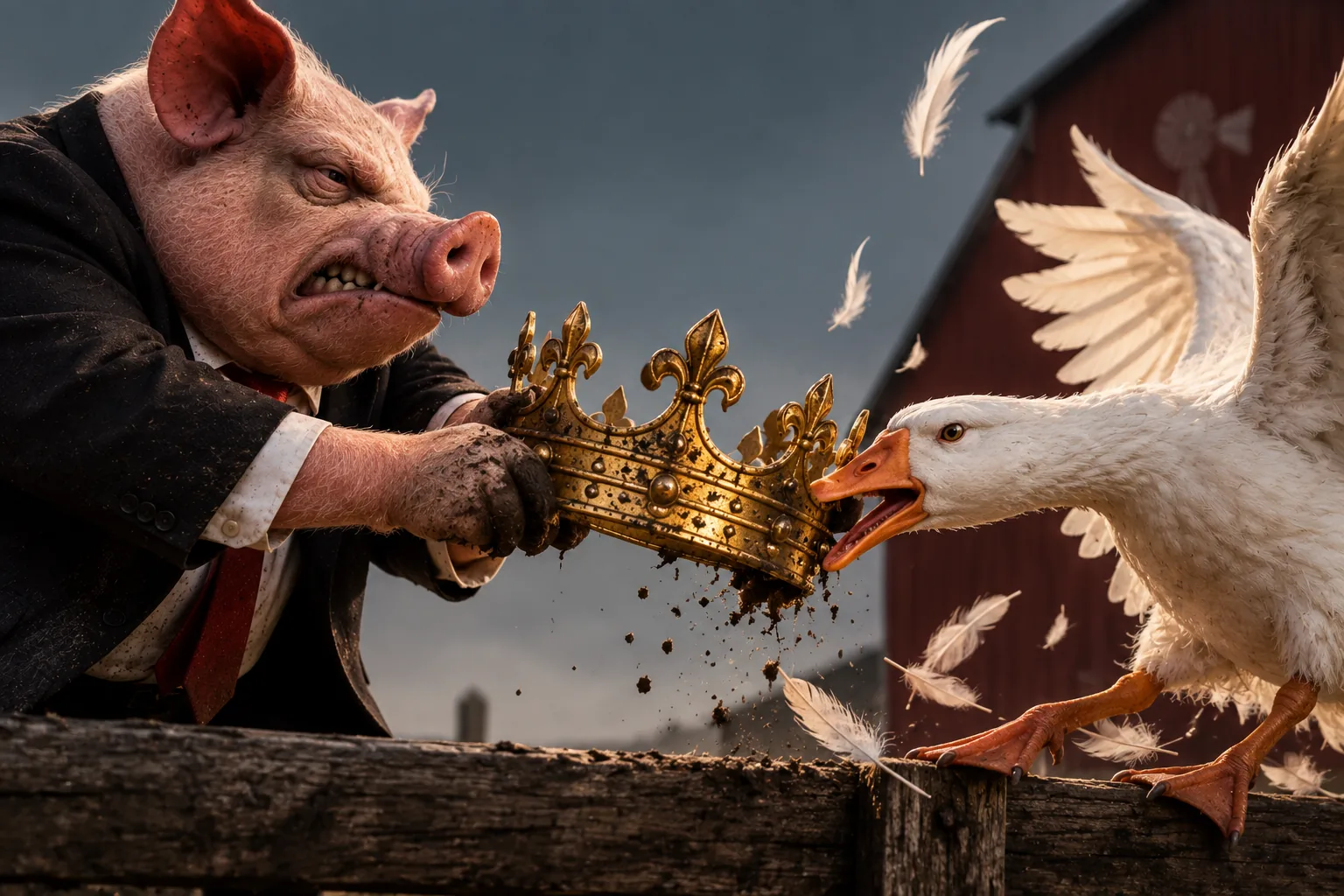
The Authority of Authors
Author and authority share a Latin root: someone who causes something to exist. A look at who controls the narrative and the power writers wield on the page.
-

The Magician: The Archetype of Transformation
From Merlin's hidden knowledge to Frankenstein's overreach to Ren's inner alchemy: the archetype of transformation, and why good and evil were never the point.
-
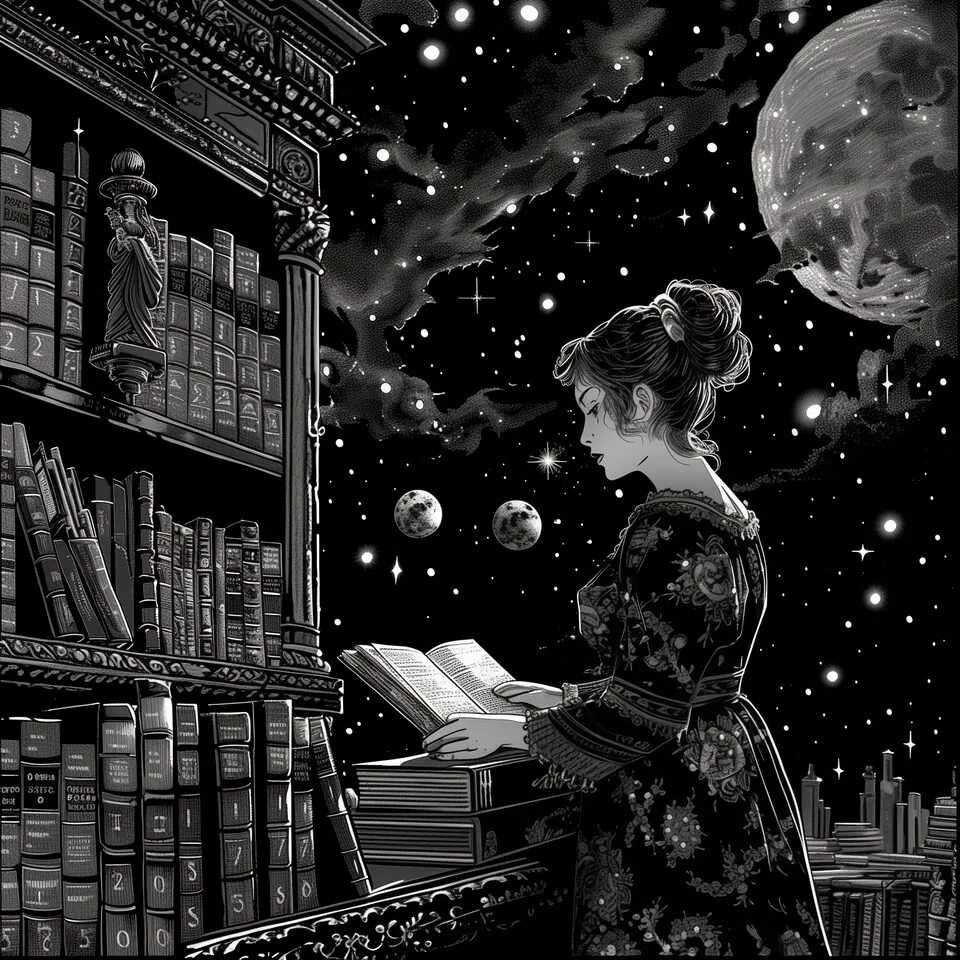
Confirmed Independent Publisher
A librarian-turned-writer looks back at a bookmobile patron, a fake reptilian finance book, and five years of false starts before going independent.
-

The Everyman: The Anchor of the Story
From Pearson's "Realist" to medieval morality plays to Samwise Gamgee: the archetype of continuity, and why writers keep mistaking ordinary for unimportant.
-
Wasteland
Merriam-Webster says a wasteland is barren and spiritually arid. So why does the word feel so good to write? A dig through etymology, Chernobyl, and 1838 law.
-
Meditation - Closed Eye Visualizations
Exploring closed-eye visualizations in meditation, from subtle patterns to vivid imagery: a personal account of CEVs, their neuroscience, and inner alchemy.
-

I Wrote This Post in Virtual Reality
A sci-fi author tries to write inside a Meta Quest 3, fails through every "obvious" input method, and ends up with a grudging respect for the tech.
-
The Nine Parts of Speech and the F Word
A shamelessly profane grammar lesson proving that one very specific word can stand in for all nine parts of speech.